Skip to content
Moneyball: What’s Coming in 2026?
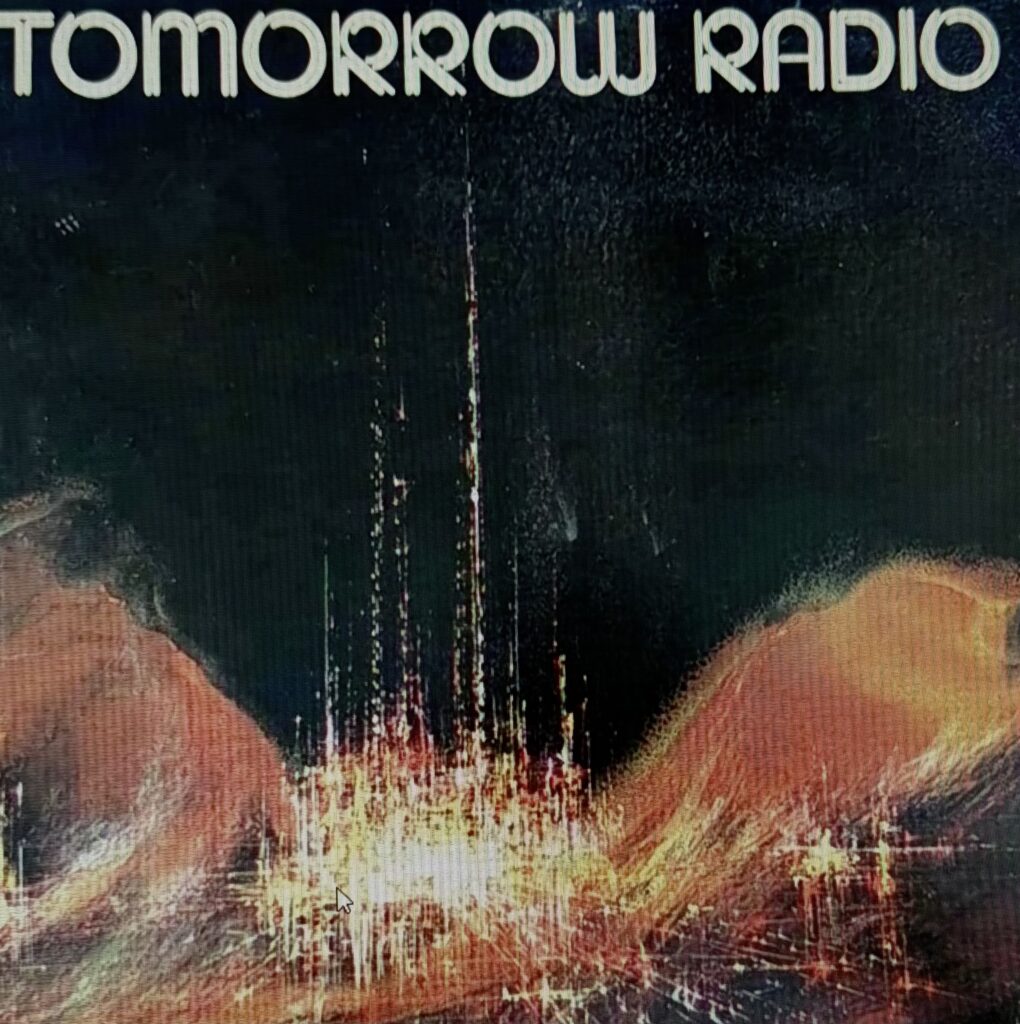
In 1977 TM Productions sent out LPs with demos of seven jingle packages on side two and an 18-minute audio drama on side one. The audio drama , entitled Tomorrow Radio, comedically predicted how things would be in radio just a few years later in 1983. Please note: (1) Tomorrow Radio remains “not safe for work;” (2) like the movie Blazing Saddles, some characterizations and stereotypes in it haven’t aged well; and (3) it’s still funny if you’ve worked in radio.
By 1983 it was clear how wrong the future predicted in Tomorrow Radio was. Forty-eight years later, the idea that you could/would attend conventions virtually is among the few predictions that have come true, even if the R&R Convention named in Tomorrow Radio ended long ago. Anyone who’s been to Disney’s Epcot has seen the difficulty of trying to predict the future. The park was opened in 1982 as EPCOT, Walt Disney’s acronym for Experimental Prototype City of Tomorrow, but by the 1990s they spelled out “Epcot” as a proper noun as the park had become outdated.
Forecasting the future is elusive. One of the key academics working in forecasting, Dr. Philip Tetlock of the University of Pennsylvania, ran a 20-year study and concluded that the average economic expert was no better at forecasting the future than “a dart-throwing chimpanzee.”
Forecasting radio’s future is similarly fraught. Radio has been losing its primacy on car dashboards for years. At the same time, people are getting more accustomed to finding the music they want from sources they can easily tap into from their ubiquitous phones. From what I’ve observed, radio needs to put more chips on maintaining and improving talent, deepening its service to local communities, and adapting to the changing landscape of audio entertainment. Even with that said, for music radio stations it will remain mission critical in 2026 to be playing the right songs in the right rotations.
Music radio walks an unusual line compared to pureplay streamers. With only one stream of music for hundreds or thousands of listeners and no skip button, programmers must optimize the odds of every song being acceptable to a wide number of listeners already listening to their station in their local market. National research isn’t reliable for this purpose, nor is regional research. To tilt the odds in your favor, you need a sample of randomly chosen station listeners.
If budgets seem too tight for local music research in 2026, NuVoodoo Local Snapshot is an alternative. Starting at less than $600/month we can deliver 10 reports across the year, each with a sample of 50 screened respondents in your market, in your demo, who listen to your station or its direct competition, who have rated 40 songs of your choosing. The per report price comes down with more frequent reports. We can arrange barter to cover 50% or more of your outlay. Reach out to me at leigh@nuvoodoo.com for more information.
In over twenty years conducting perceptual studies and format searches, no manager has ever asked me to research Punk Country. Maybe that’s for the best.